
7 Warning Signs You Should See an Orthopaedic Doctor
Persistent joint pain, swelling or stiffness can signal a problem that needs expert care. Here are seven signs it is time to see an orthopaedic specialist.
Read article
Kidney stones are hard deposits that form inside the kidneys from minerals and salts in the urine. They're common — and while small stones may pass on their own, larger ones can cause intense pain and need medical treatment.
Stones form when urine becomes concentrated, allowing minerals to crystallise. Common risk factors include:
Treatment depends on the size and location of the stone:
Prevention tip: The single most effective way to prevent kidney stones is to stay well hydrated — aim for pale, clear urine throughout the day.
Seek prompt care if you have severe pain, blood in your urine, fever with chills, or difficulty passing urine. These may signal an infection or blockage that needs urgent treatment.
Our Urology & Nephrology department offers modern, minimally invasive stone treatment including PCNL, ESWL and cystoscopy, with on-site diagnostics for a fast diagnosis.

Persistent joint pain, swelling or stiffness can signal a problem that needs expert care. Here are seven signs it is time to see an orthopaedic specialist.
Read article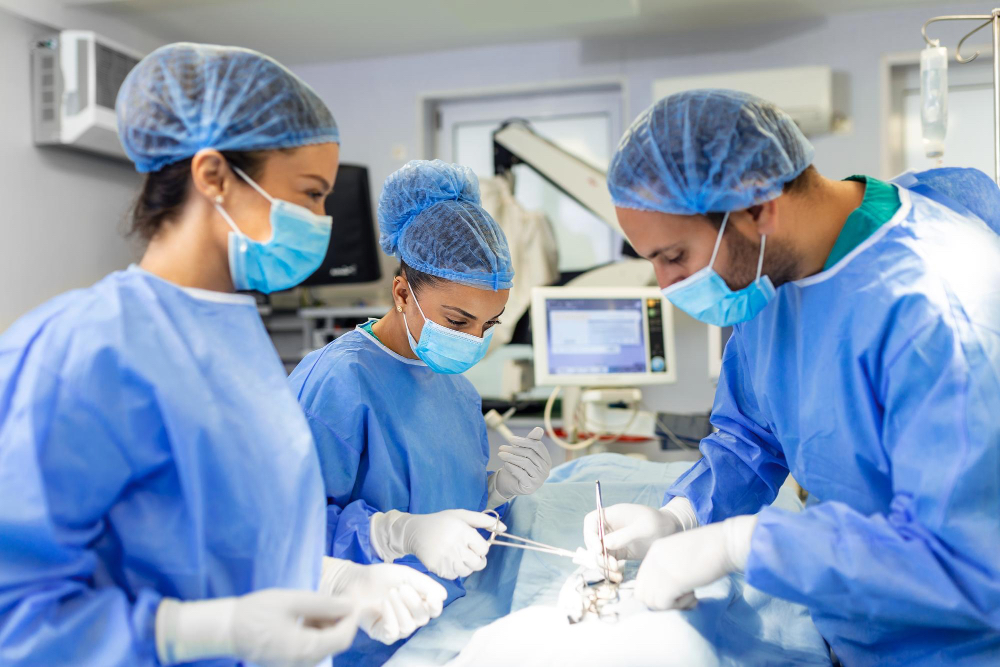
How laparoscopic (keyhole) surgery compares to traditional open surgery — and what it means for your recovery.
Read article
What chronic sinusitis is, how it is treated, and when endoscopic sinus surgery (FESS) is recommended.
Read articleTalk to our specialists at Global Multispeciality Hospital, Dighi. Book an appointment or learn more about our Urology & Nephrology department.