
7 Warning Signs You Should See an Orthopaedic Doctor
Persistent joint pain, swelling or stiffness can signal a problem that needs expert care. Here are seven signs it is time to see an orthopaedic specialist.
Read article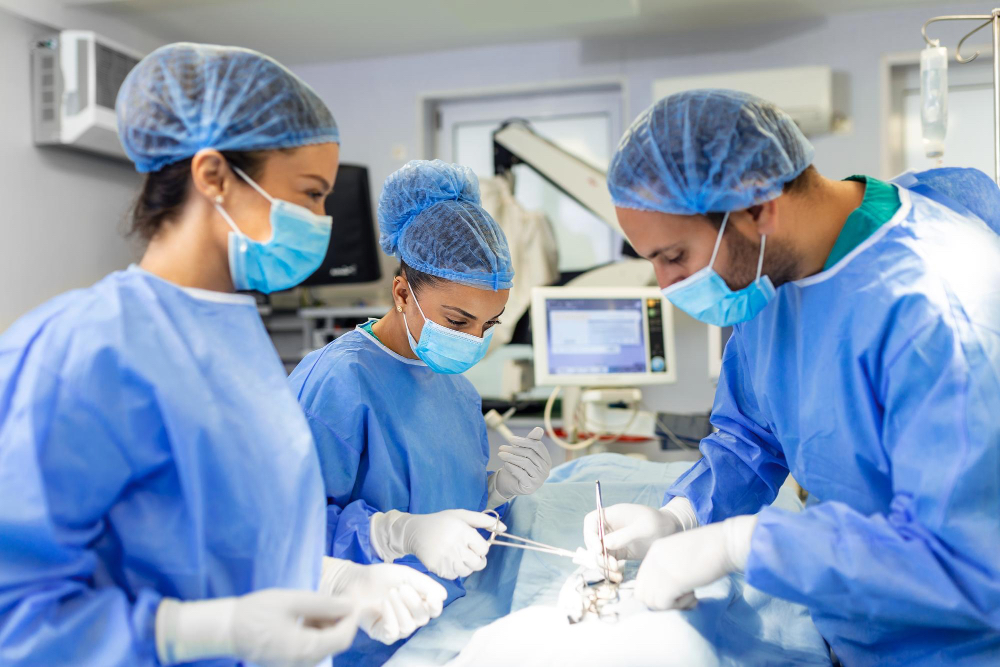
If you've been told you need surgery, you may hear two options: laparoscopic (keyhole) surgery or open surgery. Both are safe and effective, but they differ in how the operation is performed and what recovery looks like.
In open surgery, the surgeon makes a single, larger incision to directly access the area being treated. It's a time-tested approach and is sometimes the safest choice for complex or emergency cases.
Laparoscopic surgery uses a few small incisions. A thin camera called a laparoscope sends a magnified view to a screen, and the surgeon operates using specialised instruments passed through the small openings.
The best approach depends on your condition, your overall health and the specific procedure. Common operations like gallbladder removal, appendectomy and hernia repair are frequently done laparoscopically — but your surgeon may recommend open surgery if it's safer in your situation.
Good to know: Sometimes a surgeon begins with keyhole surgery and switches to open mid-operation for safety. This is normal and always in your best interest.
Our General Surgery department performs both open and laparoscopic procedures, using minimally invasive techniques wherever it is safe to do so. Book a consultation to discuss the right option for you.

Persistent joint pain, swelling or stiffness can signal a problem that needs expert care. Here are seven signs it is time to see an orthopaedic specialist.
Read article
The warning signs of kidney stones, what causes them, and the minimally invasive treatments available today.
Read article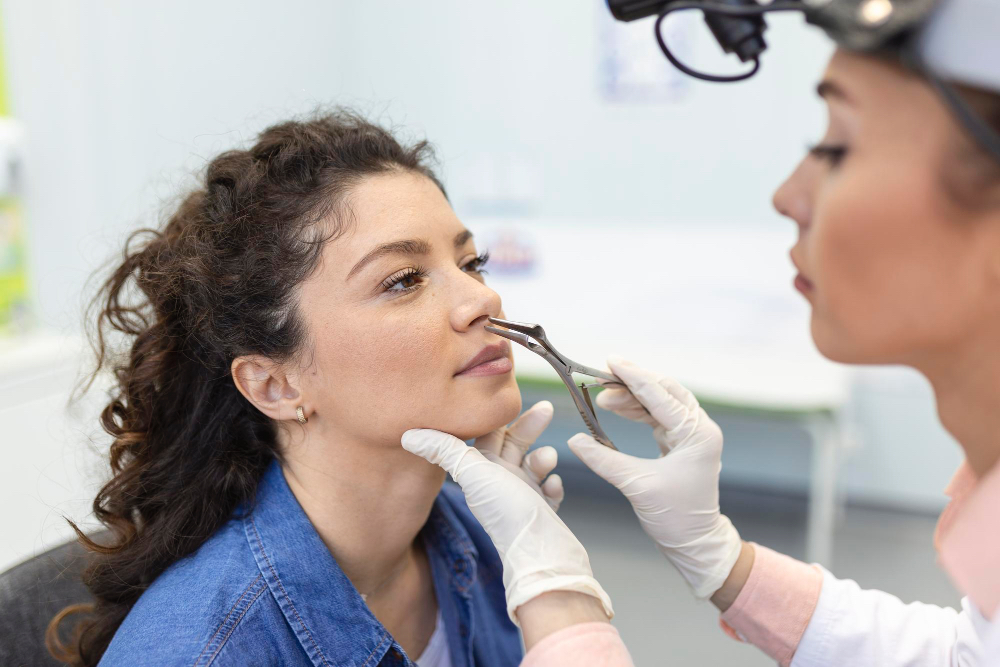
What chronic sinusitis is, how it is treated, and when endoscopic sinus surgery (FESS) is recommended.
Read articleTalk to our specialists at Global Multispeciality Hospital, Dighi. Book an appointment or learn more about our General Surgery department.