
Laparoscopic vs Open Surgery: What's the Difference?
How laparoscopic (keyhole) surgery compares to traditional open surgery — and what it means for your recovery.
Read article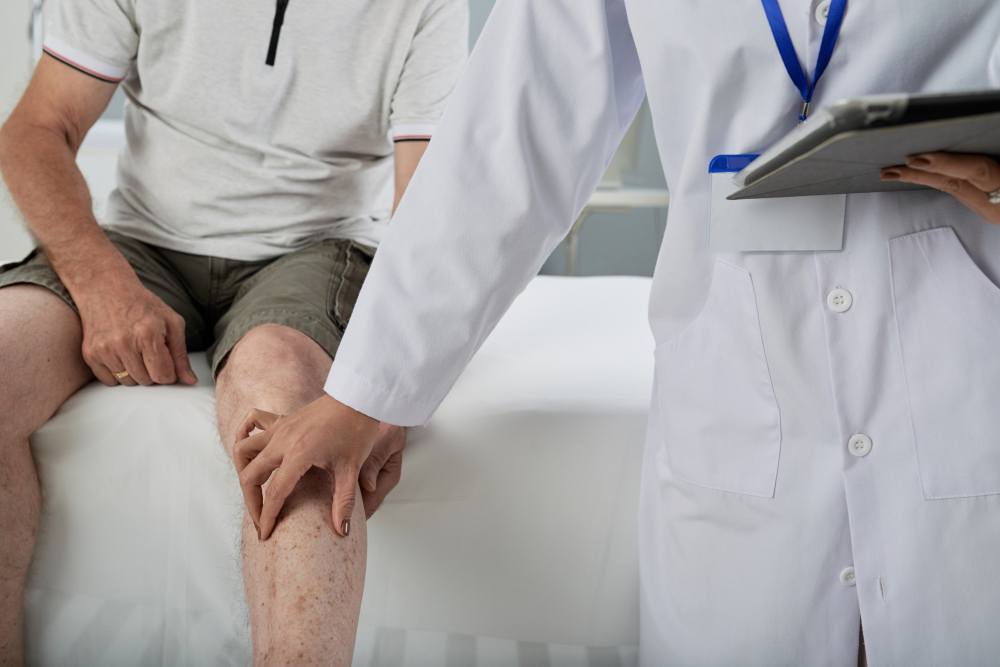
Aches and pains are a normal part of life, but some symptoms shouldn't be ignored. Orthopaedic problems affecting your bones, joints, muscles and spine can quietly worsen over time. Knowing when to seek expert help can mean a faster recovery and prevent long-term damage.
Pain in a knee, hip, shoulder or other joint that lasts more than a few weeks — or keeps returning — deserves attention. Persistent pain can signal arthritis, cartilage damage or a soft-tissue injury that benefits from early treatment.
If a joint feels stiff or swollen, or you can't move it through its normal range, the cause should be evaluated. Morning stiffness lasting more than 30 minutes is particularly worth checking.
When pain stops you from climbing stairs, walking comfortably, lifting objects or sleeping, it's affecting your quality of life — a clear signal to see a specialist.
Sprains and strains often settle with rest. But if pain, bruising or swelling from an injury hasn't improved within a week or two, there may be a fracture or ligament tear that needs imaging and treatment.
A knee or ankle that buckles, locks or feels unstable may have a ligament or cartilage injury, such as an ACL tear or meniscus damage.
Pins-and-needles, numbness, or pain radiating down an arm or leg can point to a pinched nerve or a spine-related issue such as a disc problem.
An obviously misshapen joint or limb, or being unable to put weight on a leg after a fall, needs prompt medical attention.
Don't wait for it to get worse. Many orthopaedic conditions are far easier to treat when caught early — often without surgery.
Our Orthopaedics department offers everything from fracture and arthritis care to arthroscopy and joint replacement, supported by on-site diagnostics. If any of these signs sound familiar, our specialists can diagnose the cause and recommend the right treatment for you.
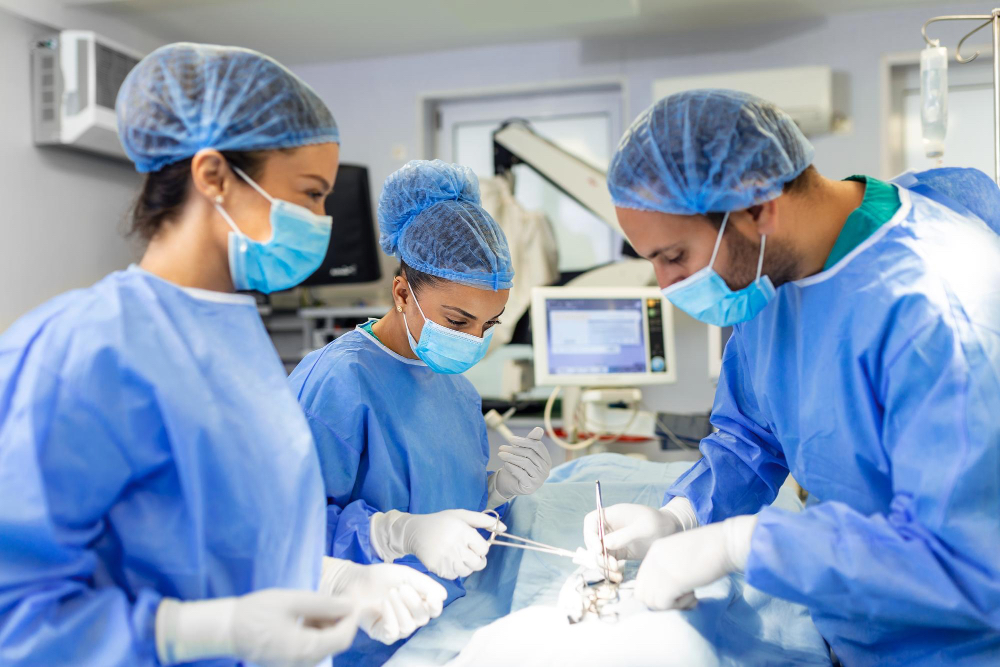
How laparoscopic (keyhole) surgery compares to traditional open surgery — and what it means for your recovery.
Read article
The warning signs of kidney stones, what causes them, and the minimally invasive treatments available today.
Read article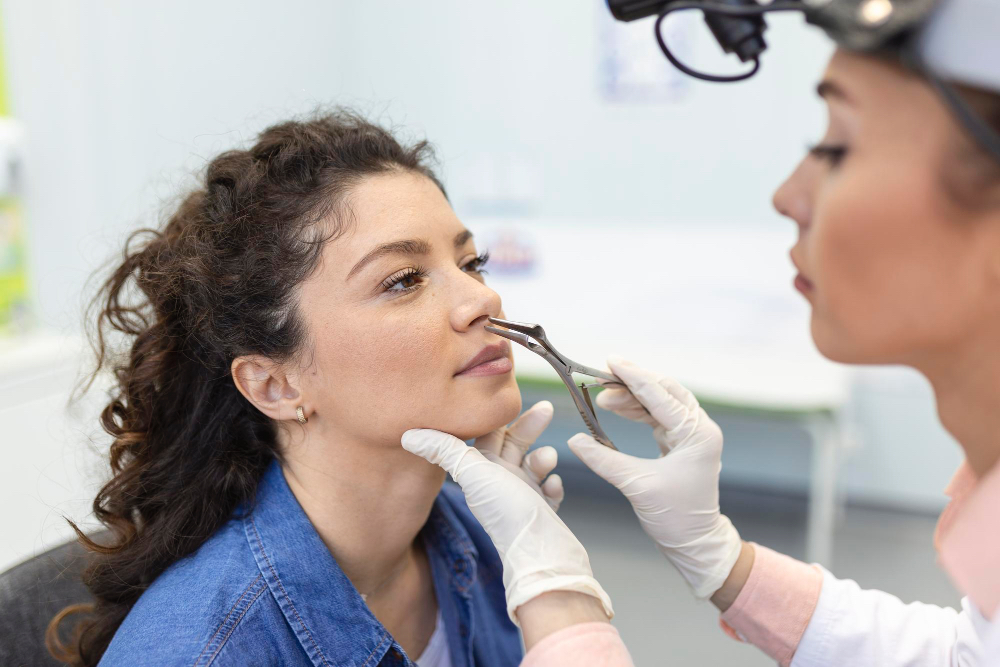
What chronic sinusitis is, how it is treated, and when endoscopic sinus surgery (FESS) is recommended.
Read articleTalk to our specialists at Global Multispeciality Hospital, Dighi. Book an appointment or learn more about our Orthopaedics department.